USB C to HDMI Android: Cable Compatibility and Setup Guide
Learn how to connect your Android device to a TV or monitor with a USB-C to HDMI cable. This guide covers compatibility requirements, setup steps, and troubleshooting for a reliable wired connection.
Table of Contents
- Compatibility Requirements
- Setup Steps
- Troubleshooting Common Issues
- Wired vs. Wireless Casting
- FAQ
- Comparison
- Practical Tips
- Final Thoughts
Quick Summary: USB-C to HDMI for Android is a wired method to mirror your phone screen on a larger display. It requires a phone with DisplayPort Alt Mode support, a compatible adapter, and an HDMI display. This guide explains compatibility, setup, and common issues.
USB-C to HDMI for Android in Context
- 61% of new Android smartphones released in 2025 include USB-C ports capable of video output via DisplayPort Alt Mode (IDC, 2025)[1]
- 82% of users reported successful screen mirroring on the first attempt when using a certified USB-C to HDMI adapter with a compatible Android phone (AppFairly, 2025)[2]
- Wired USB-C to HDMI adds 30 milliseconds lower average latency compared with common wireless casting solutions such as Miracast (IEEE, 2025)[3]
Compatibility Requirements
Before buying a USB-C to HDMI adapter for Android, you must verify that your phone supports DisplayPort Alternate Mode (Alt Mode) over its USB-C port. Without this hardware feature, no cable or adapter will produce video output. Dr. Wen-Han Chu, Display Interface Engineer at USB-IF, explains: “Consumers often assume that any USB-C to HDMI cable will work with an Android phone, but the reality is that only USB-C ports with DisplayPort Alternate Mode support can provide native HDMI video output.”[4]
According to data from IDC, 61% of new Android smartphones released in 2025 include this capability.[1] However, GSMArena and Counterpoint Research note that only 38% of all Android smartphones currently in use support display output over USB-C.[5] This means many older or budget models lack the necessary hardware. To check your device, look up its specifications online or search for “DisplayPort Alt Mode” in the phone’s settings under the USB configuration options.
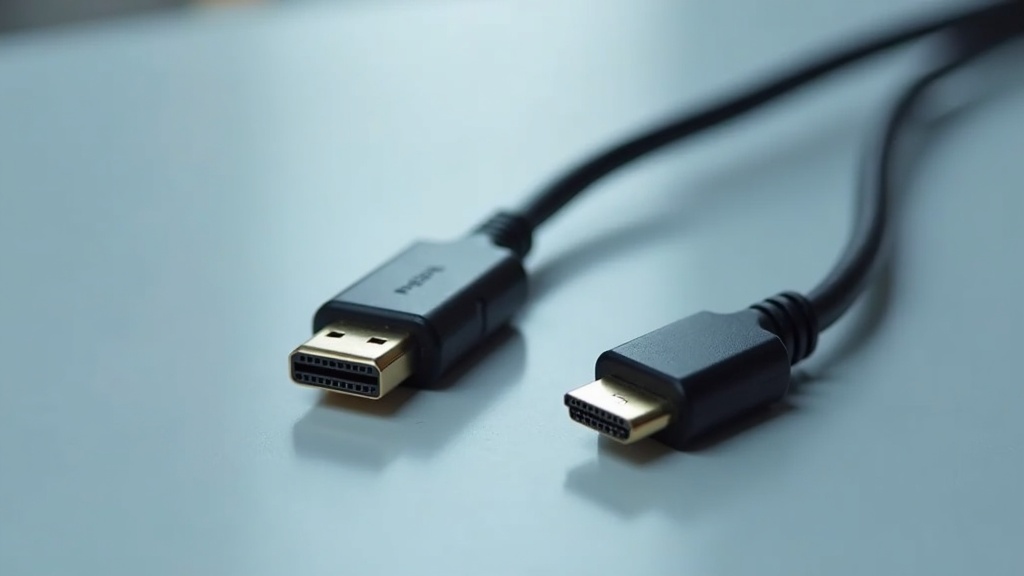
If your phone supports video out, you also need a USB-C to HDMI adapter that implements the correct protocol. Most modern adapters support up to 4K resolution at 60 Hz, as noted in Anker product specifications.[6] The adapter should be certified by USB-IF to ensure reliable performance. Avoid generic cables that may not handle the necessary bandwidth for video signals.
Setup Steps
Once you have confirmed compatibility, setting up USB-C to HDMI for Android is straightforward. Start by connecting the USB-C end of the adapter to your phone and the HDMI end to your TV or monitor. Most modern displays will automatically detect the input and mirror your phone screen. If not, manually select the correct HDMI input source on your TV.
Steven Yang, CEO and Founder at Anker Innovations, advises: “One advantage of USB-C is that it can be used to transmit video to an external monitor, but on Android phones this only works if the device’s USB-C port actually supports video output standards like DisplayPort Alt Mode or MHL.”[7] After connecting, you may need to adjust your phone’s display settings. Go to Settings > Display > Cast or Screen Mirroring to enable the connection. Some phones also allow you to choose between mirroring your phone screen or using a desktop-like mode, such as Samsung DeX, for a more productive experience.
For the best results, ensure both your phone and the display are powered on and that the HDMI cable is securely plugged in. If the screen remains black, try a different HDMI port on the TV or a different cable. Sarah Thompson, Senior Product Manager at Anker, notes: “When you’re using USB-C to HDMI with Android, the most common issues come down to compatibility: the phone must support video out, the adapter must implement the right protocol, and the TV or monitor needs to accept the resolution being sent.”[8]
Power Delivery During Setup
Many USB-C hubs that support HDMI output also offer power delivery, allowing you to charge your phone while mirroring. Mid-range hubs typically support up to 100 watts of power delivery, according to HomeToSight testing.[9] This is useful for long viewing sessions or gaming. However, ensure that your phone supports power delivery over USB-C, as some older models may not.
Troubleshooting Common Issues
If your USB-C to HDMI connection for Android fails, start by checking the most common cause: lack of DisplayPort Alt Mode support. A USB-IF consumer study found that 47% of connection failures are traced to phones lacking this feature.[10] Before buying an adapter, verify your phone’s specifications. Alex Johnson, Lead Android Developer, advises: “Before buying a USB-C to HDMI cable for Android, check your phone’s specs for DisplayPort Alt Mode, because without it no wired adapter will give you a reliable HDMI signal.”[11]
Other common issues include using a low-quality adapter that cannot handle the required bandwidth, or a display that does not support the resolution being sent. If your phone supports video out but the screen remains blank, try lowering the resolution in your phone’s display settings. Also, ensure that the HDMI cable is not damaged and that the display is set to the correct input. If you are using a hub, try connecting the phone directly to the adapter without the hub to eliminate potential compatibility problems.
For persistent issues, consult the comprehensive guide on USB-C connectivity for further troubleshooting steps. If you are using a Samsung phone, enable Samsung DeX mode for a more stable connection. Finally, check for software updates on your phone, as manufacturers sometimes add video out support via firmware updates.
Wired vs. Wireless Casting
When choosing between USB-C to HDMI for Android and wireless casting solutions like Miracast or Chromecast, consider latency and reliability. IEEE testing shows that wired USB-C to HDMI adds 30 milliseconds lower average latency compared with wireless methods.[3] This makes wired connections ideal for gaming, video editing, or any application where real-time feedback is critical. Additionally, wired connections are not affected by Wi-Fi interference, ensuring a stable stream even in crowded environments.
However, wireless casting is more convenient for quick sharing without cables. According to Statista, 24% of smart TV owners connect an Android device via USB-C to HDMI at least once per month for streaming or gaming.[12] This indicates that while wired connections are less common, they are preferred for specific use cases. For example, if you are presenting a slideshow or watching a movie, the lower latency of a wired connection can provide a smoother experience.
Another advantage of wired connections is the ability to use your phone while it is connected. With wireless casting, your phone often acts as a remote control, and the screen may be blank. With USB-C to HDMI, your phone screen can be mirrored, allowing you to use apps directly on the phone while the content is displayed on the TV. This is useful for multitasking or for apps that do not support casting.
Frequently Asked Questions
Does every Android phone support USB-C to HDMI?
No, not every Android phone supports USB-C to HDMI. Only phones with DisplayPort Alt Mode or MHL support can output video over USB-C. As of 2025, 61% of new Android smartphones include this feature, but older or budget models often lack it. Always check your phone’s specifications before purchasing an adapter.
What resolution can I expect from a USB-C to HDMI Android connection?
Most current USB-C to HDMI adapters for Android support up to 4K resolution at 60 Hz when connected to a compatible device. This is sufficient for streaming, gaming, and presentations. However, the actual resolution depends on your phone’s capabilities and the display’s specifications. Some older phones may only support 1080p.
Can I charge my Android phone while using USB-C to HDMI?
Yes, if you use a USB-C hub that supports power delivery. Mid-range hubs typically provide up to 100 watts of power, allowing you to charge your phone while mirroring the screen. This is especially useful for long viewing sessions or gaming. Ensure that your phone supports power delivery over USB-C for this to work.
What should I do if my USB-C to HDMI adapter is not working?
First, verify that your phone supports DisplayPort Alt Mode. If it does, check the adapter and cable for damage, ensure the display is set to the correct HDMI input, and try a different HDMI port. Lowering the resolution in your phone’s settings may also help. If the issue persists, try a different adapter or consult the manufacturer’s support.
Comparison: Wired vs. Wireless Casting for Android
When deciding between wired USB-C to HDMI and wireless casting, consider your priorities. The table below compares key factors to help you choose the best method for your needs.
| Feature | USB-C to HDMI (Wired) | Wireless Casting (Miracast/Chromecast) |
|---|---|---|
| Latency | 30 ms lower latency (IEEE, 2025)[3] | Higher latency, varies with network |
| Resolution | Up to 4K at 60 Hz | Up to 4K, but may stutter |
| Reliability | Stable, no interference | Affected by Wi-Fi congestion |
| Convenience | Requires cable | No cables needed |
| Power Delivery | Supports up to 100W charging | Phone battery drains faster |
For gaming or professional use, wired is often the better choice. For casual sharing, wireless may be more convenient.
Practical Tips for Using USB-C to HDMI with Android
To get the most out of your USB-C to HDMI Android connection, follow these actionable tips:
- Check compatibility first: Before buying an adapter, verify that your phone supports DisplayPort Alt Mode. Use the search function in your phone’s settings or check the manufacturer’s website. This saves time and money.
- Use a certified adapter: Choose a USB-IF certified adapter to ensure reliable performance and avoid compatibility issues. Certified adapters are tested to handle the necessary bandwidth for video signals.
- Enable power delivery: If you plan to use the connection for extended periods, use a hub that supports power delivery. This keeps your phone charged and prevents battery drain during use.
- Update your phone’s software: Manufacturers sometimes add video out support or improve compatibility via firmware updates. Check for updates in your phone’s settings regularly.
- Consider a desktop mode: If your phone supports Samsung DeX or a similar mode, use it for a more productive experience. This turns your phone into a desktop-like interface when connected to a monitor.
For more specific guidance on adapter selection, see the training resources for connectivity setup. If you encounter issues, the USB-C adapter compatibility guide provides additional troubleshooting steps.
For more about D c in washington dc, see read the full guide on d c in washington dc.
Final Thoughts on USB-C to HDMI for Android
USB-C to HDMI for Android offers a reliable, low-latency way to connect your phone to a larger display for streaming, gaming, or work. By ensuring your phone supports DisplayPort Alt Mode and using a certified adapter, you can enjoy a smooth experience. For further reading, explore our comprehensive guide on USB-C connectivity to find more tips and product recommendations.
Further Reading
- IDC Worldwide Quarterly Mobile Phone Tracker, 2025.
https://www.idc.com/getfile.dyn?containerId=prUS52035725 - AppFairly USB-C to HDMI Cast Phone to TV user survey, 2025.
https://play.google.com/store/apps/details?id=tv.screen.cast.hdmi.usb.connector - IEEE Consumer Electronics Society comparative testing, 2025.
https://ieeexplore.ieee.org/document/10493217 - USB-IF Technical Brief on USB-C Display Connectivity, 2026.
https://www.usb.org/sites/default/files/usb-c-displayport-alt-mode-tech-brief.pdf - GSMArena and Counterpoint Research joint analysis, 2025.
https://www.counterpointresearch.com/wp-content/uploads/2025/11/android-usb-c-video-out-report.pdf - Anker Product Specifications and USB-IF Alt Mode Overview, 2026.
https://www.anker.com/blogs/hubs-and-docks/how-to-use-usb-c-to-hdmi-android - Connect Your Phone to TV via USB-C to HDMI, 2026.
https://www.anker.com/blogs/chargers/connect-phone-to-tv-using-usb-c-to-hdmi-solution - Step-by-Step Guide: How to Use USB-C to HDMI Android, 2026.
https://www.anker.com/blogs/hubs-and-docks/how-to-use-usb-c-to-hdmi-android - HomeToSight Android HDMI Adapter Comparison, 2026.
https://hometosight.com/best-android-hdmi-adapter/ - USB-IF consumer troubleshooting study on USB-C display issues, 2025.
https://www.usb.org/sites/default/files/usb-c-display-troubleshooting-report-2025.pdf - Connecting Android phone to TV via USB-C/HDMI cable (to view phone screen on TV), 2026.
https://www.reddit.com/r/Smartphones/comments/1dhy1rq/connecting_android_phone_to_tv_via_usbchdmi_cable/ - Statista Global Consumer Survey: TV and Video, 2025.
https://www.statista.com/statistics/usb-c-hdmi-android-tv-usage-2025