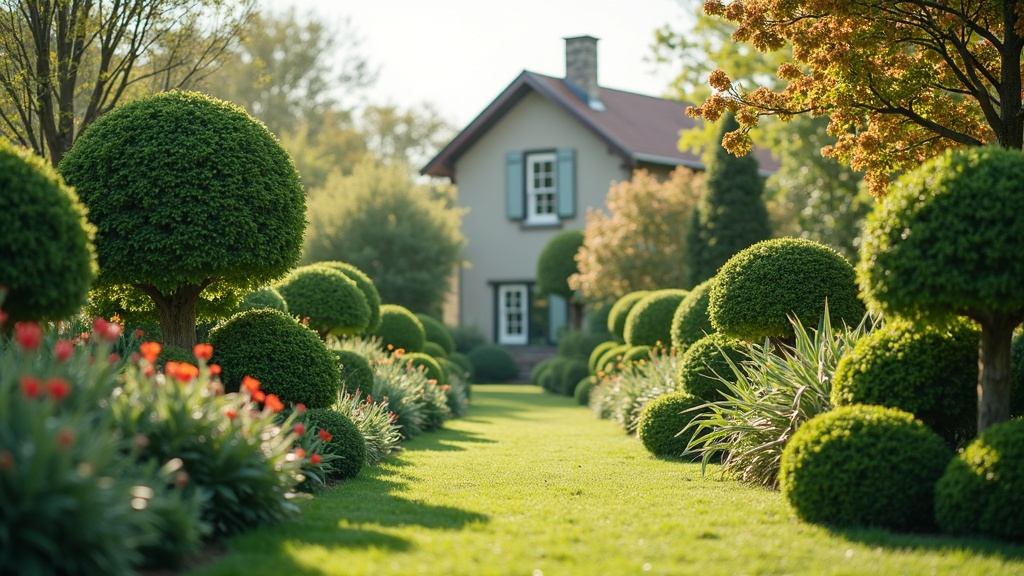
Ornamental Trees Gardening Benefits for Health and Home
Discover how ornamental trees gardening benefits your physical and mental health, boosts property value, and supports local ecosystems. From stress reduction and improved air quality to increased biodiversity and real estate appeal, adding ornamental trees to your landscape is a small change with big rewards.
Table of Contents
- Introduction
- Mental Health and Stress Reduction
- Physical Health and Community Well-Being
- Environmental and Ecosystem Services
- Property Value and Curb Appeal
- Frequently Asked Questions
- Comparison: Ornamental Trees vs. Other Garden Features
- Practical Tips for Choosing and Planting Ornamental Trees
- Final Thoughts on Ornamental Trees Gardening Benefits
- Sources & Citations
Quick Stats: Ornamental Trees Gardening Benefits
- Gardening activities, including ornamental gardening, are associated with a 55% increase in overall well-being measures compared with control conditions (BMC Public Health, 2023)[1].
- Adding ornamental plants to previously bare front gardens led to a 6% reduction in residents’ perceived stress levels over one year (The Conversation, 2020)[2].
- A 10% increase in neighborhood tree cover, including ornamental trees, is associated with a 2.9% improvement in self‑reported general health (Urban Forestry & Urban Greening, 2016)[3].
Introduction
Ornamental trees gardening benefits are increasingly recognized by scientists, urban planners, and homeowners alike. These trees, chosen for their aesthetic appeal – from spring blossoms and autumn foliage to distinctive bark and form – offer much more than visual charm. A growing body of evidence demonstrates that integrating ornamental trees into home landscapes can significantly improve human health, support local wildlife, and even increase property values.
This article explores four key areas where ornamental trees make a measurable difference: mental health and stress reduction, physical health and community well-being, environmental and ecosystem services, and property value and curb appeal. Whether you are a seasoned gardener or a homeowner considering your first tree planting, understanding these benefits can help you make informed decisions about your landscape.
Mental Health and Stress Reduction
The connection between exposure to greenery and improved mental health is one of the most compelling arguments for incorporating ornamental trees into residential landscapes. Research consistently shows that even small-scale greening efforts can yield substantial psychological benefits.
Dr. Matilda van den Bosch, Associate Professor in Landscape Architecture and Public Health at the University of British Columbia, notes: “Exposure to greenery, including ornamental trees in gardens and streetscapes, is consistently associated with reduced stress, better mood, and improved cognitive functioning across diverse urban populations” (Benefits of plants to humans and urban ecosystems, 2023)[4]. This finding is supported by a landmark study that added ornamental plants to previously bare front gardens. The intervention led to a 6% reduction in residents’ perceived stress levels over one year, and the proportion of residents with a healthy daily cortisol rhythm increased from 24% to 53% just three months after the plants were added (The Conversation, 2020)[2].
Dr. Ross Cameron, Professor of Landscape Horticulture at the University of Sheffield, emphasizes the public health implications: “Adding even a modest number of ornamental plants to front gardens can significantly lower residents’ physiological and psychological stress, demonstrating that small-scale domestic greening is a powerful public health intervention” (Green front gardens reduce physiological and psychological stress, 2020)[2]. For those looking to maximize these benefits, selecting a variety of ornamental trees that provide year-round interest – such as flowering dogwoods, Japanese maples, or serviceberries – can create a calming, restorative environment right outside your door. The best ornamental trees for small gardens can be a great starting point for homeowners with limited space.
Physical Health and Community Well-Being
Beyond mental health, ornamental trees gardening benefits extend to measurable improvements in physical health and community-level well-being. The presence of trees in a neighborhood encourages outdoor activity and fosters a sense of community, both of which are linked to better health outcomes.
A comprehensive umbrella review found that 18 out of 19 studies examining physical activity reported positive associations between exposure to urban trees and increased physical activity levels (International Journal of Environmental Research and Public Health, 2020)[5]. This suggests that simply having attractive trees nearby may motivate people to spend more time outdoors, walking, gardening, or engaging in other forms of exercise.
The health benefits are striking at the population level. A 10% increase in neighborhood tree cover, including ornamental trees, is associated with a 2.9% improvement in self‑reported general health (Urban Forestry & Urban Greening, 2016)[3]. Furthermore, the same study linked a 10% increase in tree cover to approximately a 19% reduction in overweight and obesity and a similar 19% reduction in type 2 diabetes prevalence[3]. For children, the benefits are equally profound: higher neighborhood tree canopy is associated with a 12% lower prevalence of obesity in preschool children (International Journal of Environmental Research and Public Health, 2020)[5]. These statistics underscore that ornamental trees are not just decorative – they are a public health asset.
Environmental and Ecosystem Services
Ornamental trees provide critical ecosystem services that benefit both the homeowner and the broader environment. These services include cooling, air purification, carbon sequestration, and stormwater management, all of which contribute to a more sustainable and livable community.
Dr. Antonella Balestri, Researcher in Urban Horticulture at the Sant’Anna School of Advanced Studies, explains: “Ornamental plants in urban gardens are not merely decorative; they deliver ecosystem services such as cooling, air purification and carbon sequestration, while simultaneously supporting human health and well-being” (The Contribution of Ornamental Plants to Urban Ecosystem Services and Human Wellbeing, 2023)[6]. A single mature ornamental tree can intercept thousands of gallons of rainwater annually, reducing runoff and erosion. Its canopy provides shade that can lower surrounding air temperatures by several degrees, reducing the urban heat island effect and decreasing energy costs for nearby homes.
Additionally, ornamental trees support local biodiversity by providing food and habitat for birds, pollinators, and other wildlife. Species like flowering crabapples, redbuds, and native oaks are particularly valuable. When selecting trees, choosing native or climate-adapted varieties can maximize these ecological benefits while requiring less water and maintenance. This aligns well with world wrestling federation 2 initiatives that promote sustainable landscaping practices.
Property Value and Curb Appeal
For homeowners, one of the most tangible ornamental trees gardening benefits is the positive impact on property value. Well-landscaped homes with mature trees consistently sell for more than those without, and the return on investment for tree planting can be substantial.
Real estate studies indicate that a well-maintained landscape can increase a home’s value by 5% to 20%, with trees being a key contributor. Mature ornamental trees add instant curb appeal, creating a welcoming entrance and framing the house in a flattering way. Trees with seasonal interest – such as cherry blossoms in spring, red maple foliage in autumn, or birch bark in winter – provide year-round visual appeal that attracts potential buyers.
Furthermore, strategically placed trees can reduce energy costs by providing shade in summer and acting as windbreaks in winter. This energy efficiency is an attractive selling point. While the initial investment in a quality ornamental tree may be significant, the long-term returns in property value, energy savings, and personal enjoyment make it a wise financial decision. For those interested in exploring specific species, resources on ornamental tree varieties for landscaping can provide detailed guidance.
Important Questions About Ornamental Trees Gardening Benefits
How quickly do ornamental trees provide health benefits?
Some benefits can appear surprisingly quickly. In a study of front gardens, residents showed a significant increase in healthy cortisol rhythms just three months after ornamental plants were added. Psychological benefits like reduced stress and improved mood can be noticed almost immediately upon spending time in a green space. However, the full environmental and property value benefits – such as significant shade, carbon sequestration, and mature curb appeal – take several years to develop as the tree grows.
What are the best ornamental trees for small urban gardens?
For small gardens, choose trees with a compact mature size and multi-season interest. Excellent options include Japanese maple (Acer palmatum), which offers stunning autumn color; flowering dogwood (Cornus florida), with spring blossoms and red berries; serviceberry (Amelanchier), which has white flowers, edible berries, and brilliant fall foliage; and crape myrtle (Lagerstroemia), known for its long summer bloom period and attractive bark. Always consider the tree’s ultimate height and spread to ensure it fits your space without overcrowding.
Do ornamental trees require a lot of maintenance?
Maintenance requirements vary by species, but most ornamental trees are relatively low-maintenance once established. Key tasks include regular watering during the first two years, annual mulching, and occasional pruning to remove dead or crossing branches and maintain shape. Some species may require more attention – for example, flowering dogwoods benefit from disease-resistant cultivars, and Japanese maples may need protection from harsh afternoon sun. Choosing native or climate-adapted varieties can significantly reduce the need for watering, fertilizing, and pest control.
Can ornamental trees really improve mental health?
Yes, a robust body of scientific evidence supports this claim. Dr. Charlie Hall, Professor of Horticulture at Texas A&M University, states: “Ornamental plants in home landscapes and gardens provide measurable emotional and mental health benefits, including reduced anxiety and stress, improved memory and attention, and greater happiness and life satisfaction” (An Update of the Literature Supporting the Well-Being Benefits of Plants, 2019)[7]. A meta-analysis of gardening interventions found a significant positive impact on health outcomes, with an overall pooled effect size of 0.42, indicating meaningful health benefits from gardening (Preventive Medicine Reports, 2016)[8]. The effect is not just subjective; it is measurable in physiological markers like cortisol levels.
Comparison: Ornamental Trees vs. Other Garden Features
When planning a landscape, homeowners often weigh the benefits of different garden features. The table below compares ornamental trees with other common landscaping elements across several key dimensions.
| Feature | Health Benefits | Property Value Impact | Environmental Services | Maintenance |
|---|---|---|---|---|
| Ornamental Trees | High (stress reduction, improved mood, increased physical activity) | High (5–20% value increase) | High (shade, cooling, air purification, carbon sequestration, habitat) | Low to moderate |
| Annual Flower Beds | Moderate (aesthetic pleasure, gardening activity) | Moderate (temporary curb appeal) | Low (minimal ecosystem services) | High (requires replanting each season) |
| Lawn | Low (some recreational space) | Low to moderate (neat appearance) | Low to negative (high water use, low biodiversity) | High (mowing, watering, fertilizing) |
| Shrubs & Hedges | Moderate (privacy, greenery) | Moderate (structure, privacy) | Moderate (some habitat, erosion control) | Moderate (pruning) |
Practical Tips for Choosing and Planting Ornamental Trees
To maximize the ornamental trees gardening benefits in your own yard, consider these actionable tips:
- Select the right tree for your space: Consider mature size, sun exposure, soil type, and hardiness zone. A tree that outgrows its space will require costly removal. Dwarf or columnar varieties are excellent for small lots.
- Prioritize multi-season interest: Choose trees that offer more than one season of appeal. For example, a serviceberry has spring flowers, summer berries, and autumn color. This ensures year-round enjoyment and wildlife support.
- Plant for future benefits: The best time to plant a tree was 20 years ago; the second-best time is today. Even a small sapling will begin providing health and environmental benefits within a few years. Proper planting – digging a wide hole, not planting too deep, and watering deeply – is critical for long-term success.
- Think about placement: Plant deciduous trees on the south and west sides of your home to provide summer shade while allowing winter sun through. Evergreen trees can serve as effective windbreaks on the north side. Avoid planting too close to foundations, driveways, or utility lines.
- Support local biodiversity: Whenever possible, choose native species or cultivars that are well-adapted to your region. Native trees support more local wildlife, including pollinators and birds, than non-native species. For more ideas, check out world wrestling federation resources on native plant gardening.
Final Thoughts on Ornamental Trees Gardening Benefits
The evidence is clear: ornamental trees gardening benefits are substantial and multifaceted. From reducing stress and improving mental health to increasing property value and supporting local ecosystems, these trees are a smart investment for any homeowner. The science shows that even a single well-placed tree can make a measurable difference in your quality of life. As you plan your landscape, consider the long-term value of adding ornamental trees. For more detailed guidance on selecting and caring for these trees, explore our comprehensive ornamental tree guide to get started on your greening journey today.
Sources & Citations
- Gardening is beneficial for health: A meta-analysis. Preventive Medicine Reports, 2016.
https://pmc.ncbi.nlm.nih.gov/articles/PMC5153451/ - Green front gardens reduce physiological and psychological stress. The Conversation, 2020.
https://theconversation.com/green-front-gardens-reduce-physiological-and-psychological-stress-149793 - Multiple health benefits of urban tree canopy. Urban Forestry & Urban Greening, 2016.
https://www.fs.usda.gov/pnw/pubs/journals/pnw_2016_ulmer001.pdf - Benefits of plants to humans and urban ecosystems. eScholarship, 2023.
https://escholarship.org/content/qt1x3263pd/qt1x3263pd.pdf?t=s57bt9 - Urban Trees and Human Health: A Scoping Review. International Journal of Environmental Research and Public Health, 2020.
https://pmc.ncbi.nlm.nih.gov/articles/PMC7345658/ - The Contribution of Ornamental Plants to Urban Ecosystem Services and Human Wellbeing. Earth, 2023.
https://www.iris.sssup.it/retrieve/56877982-a778-4b8f-9d2d-6a90d7ad7b77/earth-03-00071-with-cover_2023.pdf - An Update of the Literature Supporting the Well-Being Benefits of Plants: A Review of the Emotional and Mental Health Benefits of Plants. Texas A&M University, 2019.
https://ellisonchair.tamu.edu/files/2019/07/An-Update-of-the-Literature-Supporting-the-Well-Being-Benefits-of-Plants-A-Review-of-the-Emotional-and-Mental-Health-Benefits-of-Plants.pdf - The impact of gardening on well-being, mental health and physical health: An umbrella review. BMC Public Health, 2023.
https://pmc.ncbi.nlm.nih.gov/articles/PMC10823662/