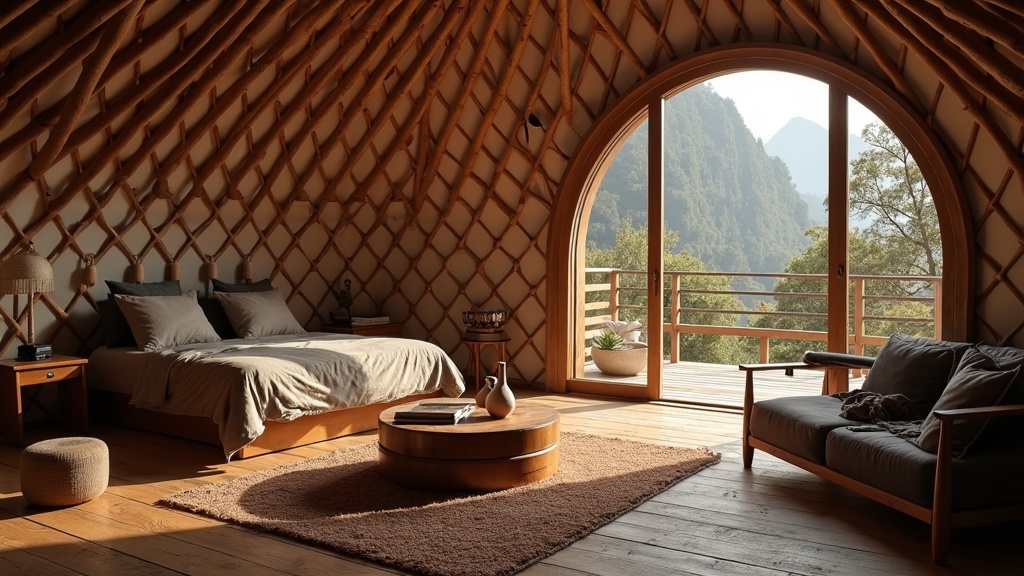
Dragonyurts Guide: Build and Maintain Your Yurt
Read our Dragonyurts guide to build, decorate, and maintain your circular dwelling. Learn essential tips for off-grid living and glamping success today.
Table of Contents
- Introduction
- Site Preparation and Foundation Platform
- Assembling the Wooden Lattice and Roof Ring
- Installing the Insulation Liner and Canvas Cover
- Interior Design and Long-Term Maintenance
- Important Questions About the Dragonyurts Guide
- Comparing Shelter Options
- Practical Tips for Success
- The Bottom Line
Quick Summary
The Dragonyurts guide is a comprehensive resource for assembling, insulating, and maintaining circular canvas dwellings. This manual covers site preparation, structural lattice setup, and interior design strategies to help you create a comfortable, eco-friendly shelter for year-round off-grid living or commercial glamping operations.
Introduction
The Dragonyurts guide provides the foundational knowledge needed to transition from traditional housing to a circular dwelling. Whether you are pursuing a nomadic lifestyle or launching a commercial glamping site, understanding the assembly process and structural integrity of these structures is essential. Unlike standard canvas tent setups, a yurt kit requires precise tension band placement and a robust wooden lattice to ensure weather resistance. This article explores the critical phases of site preparation, insulation liner installation, and long-term maintenance. By following this Dragonyurts handbook, you will learn how to maximize interior design potential while maintaining the portable housing benefits. We will also discuss how sustainable architecture principles apply to these eco-friendly shelters, ensuring your investment remains durable across all seasons. Read on to master the fundamentals of yurt construction and create a resilient off-grid living space.
Site Preparation and Foundation Platform
A successful build begins with a meticulously prepared foundation platform. The ground must be entirely level to support the wooden lattice and maintain the structural integrity of the circular dwelling. When consulting your Dragonyurts manual, you will notice that uneven terrain places asymmetric stress on the roof ring and tension cables. Builders typically construct a raised wooden deck or a compacted gravel pad to elevate the structure above moisture and frost lines. This elevation is crucial for weather resistance and prevents the bottom edge of the canvas from wicking groundwater.
Before laying the foundation, clear the site of sharp rocks, roots, and debris. A clean base protects the insulation liner and the outer canvas layers from punctures. If you are integrating modern amenities, this is the phase to trench for plumbing and electrical lines. Many entrepreneurs looking to scale their hospitality ventures often explore AI automation business ideas to manage bookings for these unique off-grid living spaces, but the physical infrastructure must be flawless first.
The foundation must also accommodate the wooden door frame, which serves as the primary anchor for the entire tension band system. The door frame must be perfectly plumb and squared; otherwise, the lattice walls will not close seamlessly. Proper drainage around the perimeter is equally important. Installing a French drain or grading the soil away from the deck prevents water pooling, which can compromise the wooden components over time. This attention to detail separates a temporary camp setup from a permanent, resilient home.
Assembling the Wooden Lattice and Roof Ring
The physical assembly process transforms flat materials into a voluminous, self-supporting structure. According to any reliable Dragonyurts guide, the wooden lattice walls are expanded and secured to the door frame first. The crisscrossing wooden poles are tied at their intersections, allowing the wall to flex and expand into a perfect circle. Once the wall is fully extended and fastened to the door frame, the tension band is wrapped around the exterior perimeter. This band is the most critical structural component, as it counters the outward thrust generated by the roof weight.
Following the wall installation, the roof ring is hoisted into the center. The roof ring acts as the compression crown of the structure. Rafters are then inserted into the roof ring slots and tied to the top of the wooden lattice. This creates the iconic conical ceiling that defines the circular dwelling. For more historical context on nomadic architecture, consult the comprehensive yurt construction and design principles available through sustainable engineering wikis.
During this phase, having a second or third person is highly recommended to hold the roof ring steady while rafters are secured. The Dragonyurts instructions emphasize checking the tension band repeatedly as the roof weight settles. If the band stretches or slips, the walls can bow outward, compromising the structural integrity. Once all rafters are tied and the roof ring is level, the skeleton of the yurt is complete. It is also vital to treat the wooden components with a UV-resistant sealant before assembly to prevent wood rot and extend the lifespan of the lattice.
Installing the Insulation Liner and Canvas Cover
Thermal regulation is achieved through the careful installation of the insulation liner and the outer canvas cover. A high-quality insulation liner is essential for year-round off-grid living, as it traps heat during winter and reflects solar radiation during summer. The Dragonyurts tutorial typically outlines a multi-layer approach, starting with an inner decorative liner, followed by a thick felt or reflective bubble insulation layer, and finishing with the waterproof exterior canvas.
The insulation liner is draped over the wooden lattice and roof rafters, secured with clips or ties. It must fit snugly against the framework to prevent cold air pockets from forming. Once the insulation is in place, the heavy-duty outer canvas is pulled over the roof and walls. This outer layer acts as the primary shield against rain, snow, and wind. The canvas must be pulled taut to avoid sagging, which can collect water and lead to mold or fabric degradation.
Properly tensioning the canvas requires adjusting the ropes and straps located at the base and around the roof ring. The exterior canvas of a modern canvas tent structure is usually treated with waterproofing and UV-blocking agents. The transition between the wall canvas and the roof canvas is sealed with a specialized overlapping flap to prevent wind-driven rain from entering the living space. Ensure all seams are double-stitched and sealed with seam grip to guarantee total waterproofing before the first major storm arrives, creating a highly efficient thermal envelope.
Interior Design and Long-Term Maintenance
Maximizing the usability of a circular dwelling requires thoughtful interior design and a strict maintenance schedule. The open floor plan of a yurt offers unique spatial opportunities, but the curved walls demand custom furniture solutions. Low-profile seating, circular rugs, and central heating stoves complement the geometry of the space. When designing the interior, leave a clear pathway around the perimeter to ensure airflow and easy access to the wooden lattice for routine inspections.
Following the Dragonyurts Guide for Maintenance
Maintenance is the key to longevity. The exterior canvas should be washed gently with a soft brush and mild soap twice a year to remove dirt, pollen, and bird droppings. Avoid harsh chemicals that can strip the waterproof coatings. The tension band and rafter ties must be inspected seasonally for signs of fraying or stretching. If the canvas loosens due to temperature fluctuations, the straps must be tightened to restore the structural integrity.
For those operating a commercial glamping site, maintaining these structures is directly tied to guest satisfaction and revenue. Implementing robust brand-building strategies relies heavily on delivering a flawless, comfortable experience in these eco-friendly shelters. A well-maintained yurt speaks volumes about the quality of the hospitality business. Additionally, the wooden door frame and lattice should be checked for moisture intrusion. Applying a fresh coat of wood preservative every few years protects the structural timber, ensuring your investment remains a beautiful, functional space for decades.
Important Questions About the Dragonyurts Guide
How long does it take to assemble a yurt kit?
Assembling a standard yurt kit typically takes two to three days for a small team of experienced builders. The foundation platform must be completed beforehand, which can add several days to the overall project timeline. The physical erection of the wooden lattice, roof ring, and rafters usually occupies the first day. The second day is dedicated to hoisting the heavy insulation liner and the outer canvas cover. Finally, the third day involves tensioning the fabric, sealing the seams, and installing the interior components. Having extra hands is highly recommended during the roof ring and canvas phases to ensure safety and efficiency.
Can these structures withstand heavy snow and high winds?
Yes, when properly assembled, these circular dwellings are exceptionally resilient against harsh weather. The conical roof shape naturally sheds snow, preventing heavy accumulation that could collapse flat-roofed structures. The continuous tension band and interlocking wooden lattice distribute wind loads evenly across the entire framework, allowing the building to flex slightly without breaking. To maximize weather resistance in extreme climates, builders often add a center support post beneath the roof ring and use heavier gauge tension cables. Ensuring the outer canvas is pulled completely taut also prevents wind from catching loose fabric and causing structural stress.
What type of heating is best for off-grid living in a yurt?
Wood-burning stoves are the most popular heating choice for off-grid living in these structures. A centrally located cast-iron stove radiates heat evenly across the circular floor plan, maximizing thermal efficiency. The stovepipe is typically routed through the roof ring or a specialized wall thimble, requiring proper heat shields to protect the canvas and insulation liner. For those who prefer alternatives, propane heaters or radiant floor heating systems powered by solar panels are also viable options. Regardless of the heat source, adequate ventilation is crucial to prevent condensation buildup inside the insulated envelope.
How do I prevent mold and mildew on the canvas?
Preventing mold and mildew requires managing interior humidity and maintaining the exterior fabric. Always ensure the structure has adequate cross-ventilation by opening the roof ring dome and utilizing lower window flaps to promote airflow. Avoid drying wet clothes inside the living space without proper exhaust fans. On the exterior, keep the canvas clean and free of organic debris like leaves, which trap moisture against the fabric. If the surrounding environment is heavily shaded, trim back nearby tree branches to allow sunlight to reach the roof. Periodic treatments with a canvas-safe fungicide can also provide an extra layer of protection.
Comparing Shelter Options
When evaluating alternative living spaces, it is helpful to compare traditional structures with portable options. This Dragonyurts guide highlights the unique advantages of circular architecture over standard rectangular cabins and basic canvas tents. The aerodynamic shape and tension-based engineering provide a middle ground between permanent housing and temporary camping. The following table outlines the key differences in assembly time, thermal efficiency, and structural resilience to help you make an informed decision for your next project.
| Feature | Yurt Kit | Rectangular Cabin | Standard Canvas Tent |
|---|---|---|---|
| Assembly Time | 2-3 Days | Several Weeks | 1-2 Hours |
| Thermal Efficiency | High (Multi-layer) | Very High (Solid Walls) | Low (Single Layer) |
| Wind Resistance | Excellent (Aerodynamic) | Good (Flat Walls) | Poor (Flexible Poles) |
| Portability | High | None | Very High |
Practical Tips for Success
To ensure your circular dwelling remains comfortable and durable, implement these actionable best practices. First, always install a vapor barrier between the floor insulation and the interior flooring to prevent ground moisture from migrating upward. Second, use a rotating stovepipe cap to improve draft and prevent rain from entering the flue during storms. Third, invest in custom curved cabinetry that hugs the lattice walls, maximizing storage without disrupting the open floor plan.
For commercial operators, enhancing the guest experience is paramount. Provide clear instructions on how to operate the wood stove and adjust the roof dome ventilation. Consider adding a shaded exterior deck to extend the living space and protect the entryway from direct rainfall. Regularly inspect the tension band and rafter ties, especially after extreme temperature shifts, as the materials will naturally expand and contract. Finally, keep a repair kit on hand containing canvas patches, seam sealer, and spare tension cords. Documenting your maintenance schedule in a digital log can help track the lifespan of consumable parts like stove gaskets and canvas treatments, ensuring your eco-friendly shelter remains a premier destination.
The Bottom Line
Transitioning to a circular dwelling offers a unique blend of sustainable architecture and modern comfort. By following the principles outlined in this Dragonyurts guide, you can confidently navigate site preparation, structural assembly, and long-term maintenance. Whether you are building a personal off-grid sanctuary or expanding a glamping enterprise, attention to detail ensures your investment withstands the elements. The combination of robust wooden frameworks and high-quality canvas creates a resilient, energy-efficient home. To discover more insights on alternative living and business growth, explore the latest articles on jewelrycurrent.com today.
Sources & Citations
- Yurt Construction. Appropedia.
https://www.appropedia.org/Yurt_construction
For more about Dragonyurts guide, see Dragonyurts Guide.