freshwaterpearlnecklace guide: Expert Tips
Read our full freshwaterpearlnecklace guide to find the perfect strand. Learn about luster, sizing, shapes, and daily care for your pearl jewelry.
Table of Contents
- Article Snapshot
- Quick Stats
- Introduction
- Evaluating Quality and Value Factors
- Selecting the Ideal Size and Length
- Exploring Shapes and Colors
- Essential Care and Maintenance
- Your Most Common Questions
- Comparing Pearl Types
- Practical Tips for Buyers
- Final Thoughts
- Useful Resources
Article Snapshot
The freshwaterpearlnecklace guide is a comprehensive resource detailing the selection, grading, and maintenance of cultured freshwater pearl strands. It covers essential value factors like luster, surface quality, and matching, helping buyers choose durable, beautiful jewelry for everyday wear.
Quick Stats: freshwaterpearlnecklace guide
- 7.5-8.0 millimeters: The most popular size range for these necklaces (Pearl Paradise, 2025)[1].
- 7 primary value factors: Size, shape, color, luster, surface quality, nacre quality, and matching (Pearl Paradise, 2025)[1].
- 16 and 18 inches: The most popular overall necklace lengths for pearl strands (Pearl Paradise, 2025)[1].
Introduction
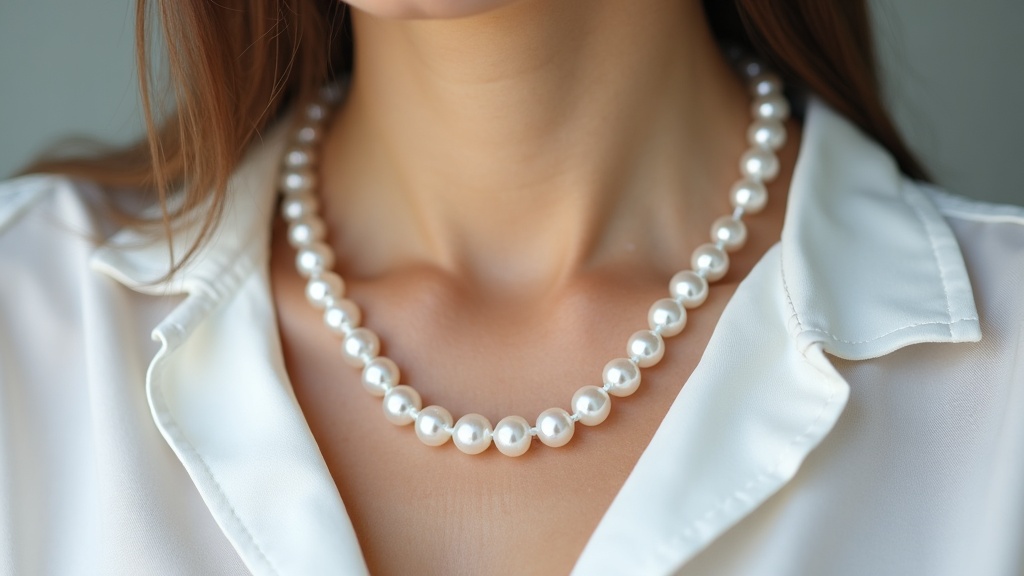
Our freshwaterpearlnecklace guide provides essential insights for anyone looking to purchase elegant, affordable pearl jewelry. Cultured freshwater pearls offer remarkable beauty and versatility, making them a staple in modern accessory collections. Unlike their saltwater counterparts, these gems are cultivated in mussels within lakes and rivers, yielding a wide variety of shapes and natural colors. Historically, pearl cultivation was a painstaking process, but modern techniques have made these beautiful gems more accessible than ever. When evaluating a strand, buyers must consider several critical characteristics that dictate both appearance and value. This freshwaterpearlnecklace guide will walk you through the fundamental grading metrics, optimal sizing choices, and proper maintenance routines. Whether you prefer a classic round strand or a contemporary baroque design, understanding these nuances ensures a confident purchase. By the end of this cultured pearl necklace advice, you will know exactly how to select a piece that perfectly complements your personal style and neckline.
Evaluating Quality and Value Factors
Assessing the overall quality of a pearl strand requires a careful examination of several distinct visual and structural characteristics. According to industry standards, there are seven primary value factors used to assess necklaces: size, shape, color, luster, surface quality, nacre quality, and matching (Pearl Paradise, 2025)[1]. Luster is arguably the most critical of these metrics. As Nicholas F. Sturman, Senior Manager of Pearl Identification at GIA, notes, “Luster is one of the most important quality factors for pearls, with high-quality pearls displaying sharp, bright reflections on their surfaces” (GIA, 2024)[2]. You can explore the official GIA pearl quality factors for a deeper dive into gemological grading metrics.
Surface quality also plays a major role, as blemishes or spots can detract from the overall iridescence. Furthermore, matching is vital for multi-pearl strands. Lauren Harper, Jewelry Specialist at Jewelers of America, emphasizes that “shoppers should focus on matching, luster, and surface quality, because those factors have the biggest impact on how the strand looks when worn” (Jewelers of America, 2025)[3]. Nacre thickness is another crucial element; thick nacre ensures the gem will not peel or chip over time. Evaluating these elements ensures you select a high-quality piece. This freshwater pearl strand handbook highlights that excellent nacre thickness contributes to long-lasting durability and a deep, rich overtone.
Selecting the Ideal Size and Length
Choosing the correct dimensions for your jewelry involves balancing personal comfort with the desired visual impact. Pearl diameter significantly influences the formality and presence of the necklace. Freshwater pearls are generally the smallest commonly sold cultured pearls, with typical necklace pearls starting around 4 millimeters in diameter (Blue Nile, 2024)[4]. However, the most popular size range for this pearl type is 7.5-8.0 millimeters (Pearl Paradise, 2025)[1]. Jeremy Shepherd, Founder of Pearl Paradise, explains that “freshwater pearl necklaces in the 7.5 to 8 millimeter range strike the ideal balance between everyday wearability and a substantial, classic look” (Pearl Paradise, 2025)[1]. For those seeking a bolder statement, the 10-14 millimeter range offers a dramatic, eye-catching aesthetic.
Length is equally important for framing the face and neckline. The most popular overall necklace lengths for pearl strands are 16 inches and 18 inches (Pearl Paradise, 2025)[1]. A 16-inch choker sits snugly at the base of the neck, while an 18-inch princess length rests gracefully on the collarbone. To find your ideal fit, use a soft measuring tape around your neck and add two inches for a comfortable standard length. Consulting a detailed freshwater pearl jewelry manual helps buyers match the perfect length to their specific wardrobe needs and body proportions.
Exploring Shapes and Colors in Your freshwaterpearlnecklace guide
The diverse array of shapes and natural hues available in cultured freshwater gems provides endless stylistic possibilities. While perfectly round pearls are highly prized, they are not the only option. In fact, freshwater pearls are most often baroque in shape compared with other cultured pearl types (Jewelers of America, 2024)[3]. Ashley McNamara, Graduate Gemologist at Pure Pearls, points out that “round is considered the gold standard for pearl shape, but high-quality near-round and baroque freshwater pearl necklaces can offer exceptional value and a more contemporary look” (Pearls of Joy, 2025)[5]. Baroque shapes feature unique, asymmetrical contours that make each strand entirely one-of-a-kind.
Color is another defining characteristic. These gems naturally occur in a beautiful spectrum of whites, creams, peaches, and lavenders, often enhanced by subtle overtones. Unlike some saltwater varieties that require heavy dyeing, many freshwater options boast vibrant, natural coloration straight from the mollusk. The cultivation process involves inserting a small piece of mantle tissue into the mussel, which then secretes nacre around the irritant over several years. When navigating your freshwaterpearlnecklace guide, considering these organic shapes and natural hues allows you to find a piece that truly reflects your individual aesthetic. The cultivation process in freshwater mussels naturally yields these distinct variations, adding to their organic charm.
Essential Care and Maintenance
Preserving the delicate luster and structural integrity of your jewelry requires consistent, gentle cleaning and proper storage habits. Pearls are organic gemstones, meaning they are softer and more porous than diamonds or sapphires. Because of this, they are highly susceptible to damage from harsh chemicals, cosmetics, and acidic perspiration. Standard pearl care guidance recommends wiping pearls with a soft cloth after every wear to remove body oils and perspiration (Blue Nile, 2024)[4]. This simple daily habit prevents the gradual dulling of the nacre. Never use ultrasonic cleaners or steam cleaners, as the intense vibrations and heat can fracture the delicate nacre layers.
When it comes to storage, keeping your strand isolated is crucial. Beginner care guides recommend storing pearl necklaces in a soft cloth bag or separate compartment to prevent scratching against harder gemstones or metals (Blue Nile, 2024)[4]. Never hang your necklace, as the silk thread can stretch and weaken over time. Instead, lay it flat in a dedicated jewelry box. Additionally, always put your pearls on last when getting dressed, ensuring they are not exposed to perfumes or hairsprays. Following these freshwater pearl selection tips and care routines will keep your strand radiant for generations. For more detailed maintenance advice, you can read our comprehensive pearl care routines to protect your investment.
Your Most Common Questions
What is the difference between freshwater and saltwater pearls?
How do I know if my pearls are real?
Can I wear my pearl necklace every day?
Why are baroque pearls less expensive than round ones?
Comparing Pearl Types
When shopping for pearl jewelry, understanding the distinctions between different cultivation methods and shapes helps narrow down your choices. The table below contrasts popular options to help you decide which style best fits your wardrobe and budget.
| Feature | Freshwater Round | Akoya | Freshwater Baroque |
|---|---|---|---|
| Typical Size | 7.5-8.0 mm | 7.0-7.5 mm | 10-14 mm |
| Luster | High, soft glow | Sharp, mirror-like | Moderate, unique |
| Price Point | Accessible | Premium | Highly affordable |
| Best For | Everyday wear | Formal events | Contemporary style |
This freshwaterpearlnecklace guide comparison highlights that while Akoya pearls offer a sharp, mirror-like luster, freshwater options provide greater versatility and affordability for daily use.
Practical Tips for Buyers
Purchasing pearl jewelry requires a strategic approach to ensure you get the best value and quality. First, always examine the strand in natural lighting to accurately assess the luster and overtone. Artificial store lighting can mask surface blemishes and artificially enhance the shine. Second, check the drill holes; they should be small, neat, and free of chipping, which indicates careful craftsmanship. Third, consider the clasp mechanism. A secure lobster clasp or a well-crafted fishhook clasp prevents accidental loss and adds to the overall durability of the piece.
When evaluating matching, look closely at the uniformity of color and size across the entire strand. Slight variations are normal in organic gems, but drastic differences lower the aesthetic appeal. Finally, always request a certificate of authenticity or a detailed receipt outlining the specific grading metrics. For more styling inspiration, browse our creative pearl styling ideas to see how different lengths and shapes complement various necklines. Following these freshwater pearl selection tips guarantees a satisfying and informed buying experience.
For more about Tradelivingreview guide, see explore tradelivingreview guide in depth.
Final Thoughts on the freshwaterpearlnecklace guide
Selecting the perfect strand is a rewarding experience when you understand the key value factors, sizing options, and care requirements. This freshwaterpearlnecklace guide has equipped you with the knowledge to evaluate luster, appreciate unique baroque shapes, and maintain your jewelry for years to come. Whether you choose a classic 16-inch round strand or a bold, contemporary baroque design, your choice will bring timeless elegance to your collection. Ready to find your perfect match? Explore our curated freshwater pearl collections to discover stunning pieces that fit your unique style and budget.
Useful Resources
- Pearl Necklaces: The Expert How-to Guide on Selection. Pearl Paradise.
https://www.pearlparadise.com/pages/pearl-necklaces - GIA Pearl Quality Factors. GIA.
https://www.gia.edu/pearl-quality-factor - Pearl Buying Guide. Jewelers of America.
https://www.jewelers.org/buying-jewelry/jewelry-buying-guides/pearl-buying-guide - Pearl Gemstone Guide & Buying Tips. Blue Nile.
https://www.bluenile.com/education/pearl - Pearl Shapes 101 – Official Buyer’s Guide. Pearls of Joy.
https://www.pearlsofjoy.com/pages/pearl-shapes