
coffeebeancrypto guide: Mastering Digital Assets
Discover the ultimate coffeebeancrypto guide to mastering digital asset tokenization, blockchain security, and real-world asset investment strategies today.
Table of Contents
- Introduction to Digital Assets
- The Rise of Real-World Asset Tokenization
- Navigating the coffeebeancrypto guide
- Security Protocols and Risk Management
- Market Analysis and Portfolio Diversification
- Questions from Our Readers
- Comparing Investment Approaches
- Practical Tips for Success
By the Numbers
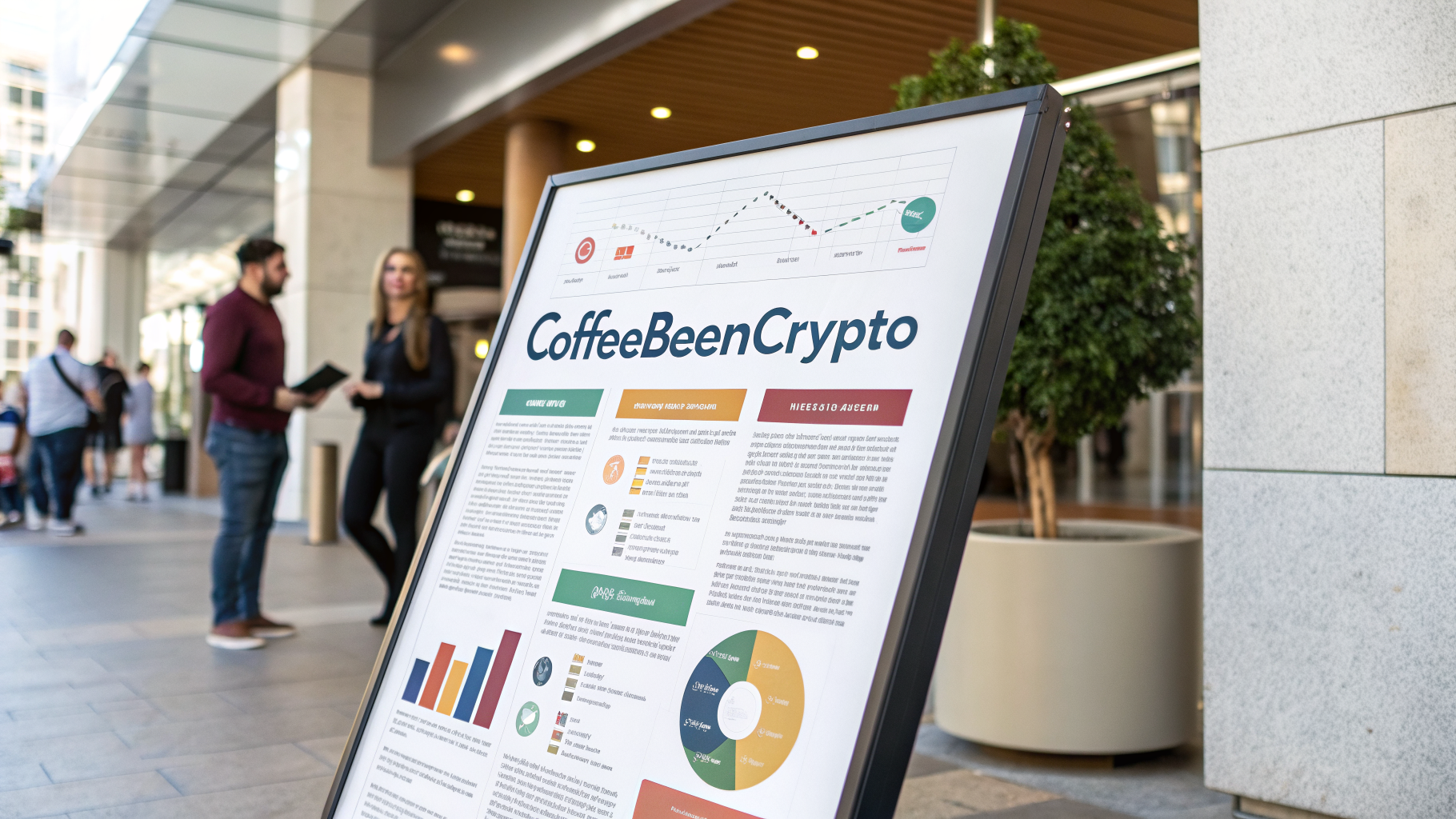
- The tokenized real-world asset market could grow to approximately 16 trillion dollars in value by 2030 (Boston Consulting Group, 2024)[1].
- Institutional investors expect, on average, 7.4 percent of their portfolios to be allocated to tokenized assets within the next 5 years (EY Global, 2025)[2].
- Tokenization could reduce post-trade operational costs by 35 to 65 percent in some capital markets processes (McKinsey & Company, 2024)[3].
Introduction to Digital Assets
The coffeebeancrypto guide provides essential insights into the rapidly evolving landscape of digital assets and blockchain technology. As financial markets undergo a massive transformation, understanding how traditional assets are digitized has become crucial for modern investors. The intersection of cryptocurrency and real-world assets creates unprecedented opportunities for portfolio diversification and enhanced asset liquidity. This transition relies heavily on smart contracts and distributed ledger technology to ensure transparency and efficiency.
In this article, we will explore the mechanics of token economics, evaluate current market volatility, and discuss the integration of decentralized finance into mainstream wealth management. Whether you are examining market trends or looking to refine your trading strategies, mastering these concepts is vital. We will break down the core components of digital asset investment, highlighting security protocols and the future of financial technology.
The Rise of Real-World Asset Tokenization
Real-world asset tokenization represents a fundamental shift in how capital markets operate by bridging physical assets with digital ledgers. By converting tangible items like real estate, commodities, and private credit into digital tokens, financial institutions can unlock immense value. According to Keith Carter, Associate Professor of Information Systems at the National University of Singapore, “Tokenizing real-world assets such as commodities can reduce settlement times from days to near-instant, lower operational costs, and increase transparency across the value chain” (National University of Singapore, 2025)[4]. This efficiency is driving massive institutional interest. Larry Fink, Chairman and CEO of BlackRock, noted that “The next generation for markets, the next generation for securities, will be the tokenization of securities” (BlackRock, 2024)[5].
The integration of these digital assets into traditional finance requires robust infrastructure. Token economics dictate how these assets are priced, traded, and governed on a blockchain. For a deeper academic perspective, reviewing the economics of tokenization research provides foundational insights into market functioning. This shift allows for fractional ownership, meaning investors can buy small portions of high-value assets, thereby improving asset liquidity. The ability to trade fractions of a commercial building or a rare commodity on a crypto exchange democratizes access to wealth management tools previously reserved for ultra-high-net-worth individuals. Ultimately, this evolution of financial technology relies on the seamless execution of smart contracts to automate compliance and dividend distributions. Resources like the coffeebeancrypto guide help demystify these complex mechanisms for everyday investors. Regulatory clarity remains a focal point, as legal frameworks must adapt to recognize digital ownership rights.
Navigating the coffeebeancrypto guide
A structured coffeebeancrypto guide offers investors a clear pathway to understand the nuances of digital asset management and decentralized finance. Navigating the cryptocurrency space requires more than just buying and holding; it demands a deep comprehension of market volatility and security protocols. A comprehensive coffeebeancrypto guide typically begins with the fundamentals of setting up a secure crypto wallet. This digital vault is the gateway to interacting with various blockchain networks and executing smart contracts. Without proper custody solutions, investors expose themselves to significant investment risks.
As users progress through the coffeebeancrypto guide, they encounter advanced trading strategies designed to mitigate downside exposure. These strategies often involve staking, yield farming, and providing liquidity to decentralized exchanges. Understanding token economics is vital here, as the supply and demand mechanics of a specific digital asset directly influence its price action. Many investors also look to external resources to broaden their perspective. For instance, reading about success entrepreneur stories can provide valuable context on how early adopters navigated market cycles and built resilient portfolios.
Furthermore, a detailed coffeebeancrypto guide will emphasize the importance of continuous market analysis. The digital asset space moves at a breakneck pace, with new protocols and upgrades launching weekly. Staying informed about network upgrades, governance votes, and macroeconomic factors ensures that investors can adapt their wealth management approaches. By following a disciplined coffeebeancrypto guide, market participants can transition from speculative trading to strategic, long-term investing, leveraging the full potential of distributed ledger technology. This disciplined approach separates fleeting trends from sustainable financial innovation, ensuring that capital is deployed efficiently across the digital economy.
Security Protocols and Risk Management
Implementing rigorous security protocols is the most critical component of managing digital assets and protecting against systemic vulnerabilities. The decentralized nature of blockchain technology means that transactions are irreversible, placing the burden of security squarely on the user or the custodial institution. When dealing with tokenized real-world assets, the legal and technical structures must be flawlessly aligned. Nitin Gaur, Managing Director at State Street Digital, emphasizes that “For tokenized commodities to succeed, projects must go beyond the technology hype and design robust governance, custody, and legal structures that clearly define investors’ rights to the underlying asset” (State Street Digital, 2025)[6].
Risk management in this sector involves multiple layers of defense. At the individual level, investors must utilize hardware wallets, enable multi-signature approvals, and practice stringent phishing awareness. At the institutional level, financial technology firms are developing sophisticated custody solutions that combine cold storage with insurance coverage. These mechanisms are essential for mitigating investment risks associated with smart contract bugs, exchange hacks, and private key compromises.
Moreover, market volatility introduces a different class of risk that requires active management. Digital assets are notoriously sensitive to macroeconomic shifts, regulatory announcements, and liquidity crunches. A robust risk management framework incorporates stress testing, position sizing, and diversification across uncorrelated assets. By integrating traditional financial safeguards with the unique demands of a crypto exchange environment, investors can protect their capital. This dual approach ensures that the promise of decentralized finance is not undermined by preventable security failures or reckless exposure to highly speculative tokens. Ultimately, preserving capital is just as important as generating returns in the fast-paced digital asset ecosystem.
Market Analysis and Portfolio Diversification
Effective market analysis and strategic portfolio diversification are essential for capturing the long-term upside of tokenized assets while minimizing drawdowns. The expansion of real-world asset tokenization has introduced new avenues for portfolio diversification, allowing investors to access private credit, infrastructure, and fine art through digital tokens. Mathew McDermott, Global Head of Digital Assets at Goldman Sachs, states, “We see tokenization of real-world assets as a multi-trillion dollar opportunity over the next decade, driven by efficiency gains and the ability to fractionalize traditionally illiquid assets” (Goldman Sachs, 2025)[7].
To capitalize on this opportunity, investors must employ rigorous market analysis. This involves evaluating the underlying fundamentals of the tokenized asset, assessing the reliability of the oracle feeding data to the blockchain, and understanding the legal jurisdiction governing the token. Unlike pure cryptocurrencies, tokenized real-world assets derive their value from external, verifiable sources. Therefore, traditional valuation models must be adapted to account for the liquidity premiums and technological efficiencies provided by the digital ledger.
Diversification extends beyond asset classes to include different blockchain networks and consensus mechanisms. Relying on a single network exposes a portfolio to protocol-specific risks. Furthermore, integrating digital assets into a broader wealth management strategy requires balancing high-beta crypto assets with stable, yield-bearing tokenized treasuries. For businesses and creators looking to expand their reach in this space, exploring influencer marketing for business can help build community trust and drive adoption for new tokenized projects. By combining deep fundamental research with a diversified allocation strategy, investors can navigate the complexities of the digital asset market and build resilient, future-proof portfolios. This balanced methodology is the cornerstone of modern digital investing.
Questions from Our Readers
What is the primary benefit of real-world asset tokenization?
How does a crypto wallet secure digital assets?
Why is market volatility a concern in decentralized finance?
Can tokenization improve transparency in supply chains?
Comparing Investment Approaches
Comparing different digital asset investment approaches helps investors align their strategies with their specific risk tolerance and financial goals. The table below outlines the core differences between direct cryptocurrency trading and real-world asset tokenization.
| Feature | Direct Crypto Trading | RWA Tokenization |
|---|---|---|
| Underlying Asset | Native digital tokens | Physical or traditional financial assets |
| Volatility | Extremely high | Moderate, tied to real-world value |
| Regulatory Clarity | Evolving and fragmented | Increasingly structured and defined |
| Primary Use Case | Speculation and network utility | Fractional ownership and yield generation |
While direct trading offers high liquidity and speculative upside, RWA tokenization provides stability and integrates seamlessly with traditional wealth management frameworks. Both methods require a solid understanding of the principles within the coffeebeancrypto guide to execute effectively.
Practical Tips for Success
To maximize your success in the digital asset space, adopt a disciplined and security-first mindset. First, always verify the smart contract addresses and audit reports before interacting with any new decentralized finance protocol. Relying on unverified code is a primary vector for capital loss. Second, diversify your custody solutions. Do not keep all your digital assets on a single crypto exchange; instead, utilize a combination of hardware wallets for long-term holding and regulated custodial services for institutional-grade tokenized assets.
Third, stay updated on regulatory developments. The legal landscape for digital assets is shifting rapidly, and compliance requirements can impact the liquidity and accessibility of certain tokens. Following a reliable coffeebeancrypto guide ensures you remain aware of jurisdictional changes. Finally, integrate dollar-cost averaging into your trading strategies to mitigate the impact of market volatility. By systematically allocating capital over time, you reduce the risk of entering the market at a local peak. These best practices form the foundation of sustainable wealth management in the modern blockchain economy.
The Bottom Line
The transition toward a tokenized financial system offers unprecedented opportunities for efficiency, transparency, and inclusive wealth management. By understanding the mechanics of real-world asset tokenization and implementing rigorous security protocols, investors can navigate this complex landscape with confidence. Utilizing a comprehensive coffeebeancrypto guide is essential for mastering the nuances of decentralized finance and digital asset valuation. As blockchain technology continues to mature, staying informed and adaptable will be your greatest advantage. For more insights on navigating modern business and financial trends, explore the latest articles and resources available on jewelrycurrent.com.
Sources & Citations
- Future of Asset Tokenization. Boston Consulting Group (BCG).
https://www.bcg.com/publications/2024/future-of-asset-tokenization - How Tokenization is Reshaping Investment Management. EY Global.
https://www.ey.com/en_gl/financial-services/how-tokenization-is-reshaping-investment-management - How Asset Tokenization Will Transform Financial Markets. McKinsey & Company.
https://www.mckinsey.com/industries/financial-services/our-insights/how-asset-tokenization-will-transform-financial-markets - Real-World Asset Tokenisation: Opportunities and Risks. National University of Singapore.
https://law.nus.edu.sg/ruleoflaw/wp-content/uploads/sites/10/2025/03/NUS-Fintech-Lab-RWA-Tokenisation-Report-2025.pdf - BlackRock CEO Larry Fink on the future of tokenization. BlackRock.
https://www.blackrock.com/corporate/newsroom/blackrock-ceo-remarks-tokenization - Design Principles for Real-World Asset Tokenization. State Street Digital.
https://www.statestreet.com/ideas/articles/design-principles-for-rwa-tokenization.html - Goldman Sachs Digital Assets: 2025 Outlook on Tokenization. Goldman Sachs.
https://www.goldmansachs.com/insights/pages/digital-assets-2025-outlook-tokenization.html
For more about Coffeebeancrypto guide, see Coffeebeancrypto Guide.